
Print on Demand vs Droppshipping: Which One Is Right for You?
Both Print-on-Demand (POD) and traditional Dropshipping are popular, low-inventory business models. But they serve different types of entrepreneurs. The best choice depends on your skills, interests, and goals.
Here’s a quick breakdown to help you decide.
Print-on-Demand (POD): The Creative’s Choice
-
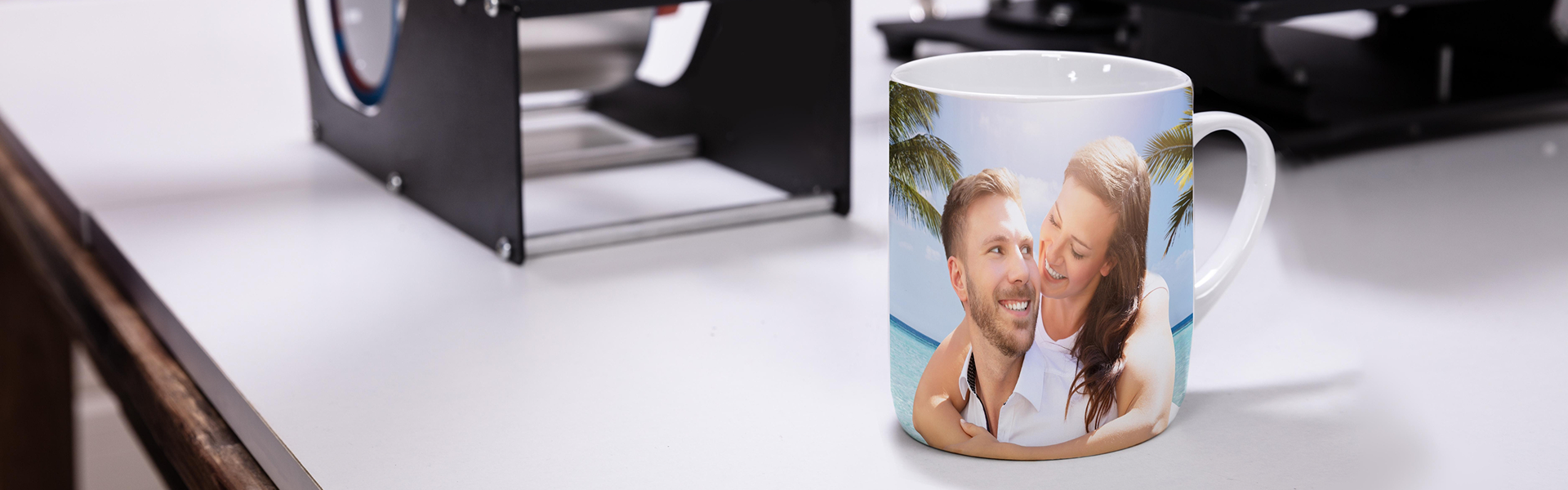
How it Works: You create custom designs (e.g., T-shirts, mugs), and a supplier prints them on-demand only when an order is placed.
-
Best For: Designers, artists, and storytellers who want to build a unique brand.
-
Pros:
-
Highly Customizable: Your design is the product.
-
No Inventory Risk: You never hold physical stock.
-
Builds a Brand: Focuses on a specific niche or style.
-
-
Cons:
-
Lower Margins: Production costs are higher per item.
-
Limited Products: You’re generally stuck with the supplier’s catalog.
-
Slower Shipping: Printing takes time, so fulfillment can be slower.
-
Traditional Dropshipping: The Marketer’s Playground
-
How it Works: You partner with a supplier (often via Paintiu) who ships generic, pre-made products (e.g., electronics, home goods) directly to your customer.
-
Best For: Marketers and analysts who excel at finding trending products and running ads.
-
Pros:
-
Wide Product Range: You can sell almost anything.
-
Faster Fulfillment: Some suppliers offer quicker shipping than POD.
-
Higher Margins Potential: On generic goods, you can sometimes find better supplier costs.
-
-
Cons:
-
Intense Competition: You’re often selling the same product as countless other stores.
-
Less Brand Control: The product is generic, making it hard to stand out.
-
Quality & Inventory Issues: You can’t verify product quality or stock levels yourself.
-
The Bottom Line:
Choose Print-on-Demand if you are a creative at heart and want to build a loyal community around your unique designs.
Choose Dropshipping if you are a data-driven marketer who enjoys the thrill of finding and scaling winning products in competitive markets.
Both are valid paths. Your success depends on picking the model that best matches your strengths.